

Zinc for Prostate Health: Benefits, Dosage & What the Research Shows
August 3, 2026 | by Daniel cole

Zinc is an essential trace mineral involved in hundreds of processes in the body, including immune function, wound healing, and hormone regulation. It’s also one of the most commonly included minerals in prostate-support supplements, largely because the prostate gland naturally contains higher concentrations of zinc than most other tissues in the body.
Quick Summary: Zinc is an essential mineral that the prostate gland concentrates at higher levels than most tissues. Some research suggests men with prostate conditions may have lower prostate zinc levels, but this doesn’t prove that supplementing with zinc treats or prevents prostate disease. Getting enough zinc through diet or moderate supplementation is generally considered safe, but very high doses can cause problems.
What Is Zinc’s Role in the Body?
Zinc supports immune defense, DNA synthesis, protein production, and wound healing. It also plays a role in taste and smell, and in male reproductive health, including testosterone metabolism and sperm production.
Why Is Zinc Linked to Prostate Health?
Healthy prostate tissue naturally contains some of the highest zinc concentrations of any organ in the body. Researchers have observed that zinc levels in prostate tissue tend to be lower in men with certain prostate conditions compared to men with healthy prostates. This observation led to interest in whether zinc supplementation could support prostate health, though observational association is not the same as proven cause and effect.
What the Research Says
Current evidence on zinc supplementation specifically for BPH or prostate symptoms is limited and inconclusive. While the biological rationale (low tissue zinc associated with prostate conditions) is interesting, well-designed, large-scale clinical trials proving that zinc supplements improve prostate symptoms in humans are lacking. Some research has also raised questions about very high-dose zinc supplementation and prostate health, which is why staying within recommended daily amounts matters.
Typical Dosage
The recommended dietary allowance (RDA) for zinc in adult men is 11 mg per day. Many prostate supplements include zinc in the 15–30 mg range. Doses above 40 mg per day (the tolerable upper intake level) are not recommended without medical supervision, since excess zinc can interfere with copper absorption and immune function over time.
Safety & Side Effects
Zinc from food or moderate supplementation is generally safe. Possible side effects, mostly at higher doses, include:
- Nausea or upset stomach (especially on an empty stomach)
- Metallic taste
- Headache
- Long-term high doses can cause copper deficiency and immune suppression
Talk to your doctor before taking zinc supplements if you’re on other medications, since zinc can interact with certain antibiotics and reduce their absorption.
Food Sources of Zinc
Good dietary sources of zinc include oysters (one of the richest sources), red meat, poultry, pumpkin seeds, chickpeas, and fortified cereals. Many men can meet their zinc needs through diet alone, which is worth considering before adding a separate supplement.
Choosing a Zinc-Containing Supplement
If you’re comparing prostate supplements that include zinc, our Prostate Supplement Buying Guide explains what to check on the label. Formulas like ProstaVive combine zinc with a broader blend of herbal ingredients (such as Tongkat Ali, Ashwagandha, and Nettle Root) rather than relying on zinc alone.
Frequently Asked Questions
Can zinc deficiency cause prostate problems?
Low prostate zinc levels have been observed alongside some prostate conditions, but this is an association, not proof that deficiency causes the condition. More research is needed to understand this relationship.
Is it safe to take zinc every day?
Yes, at doses within or close to the RDA (11 mg/day for men) daily zinc intake is considered safe for most healthy adults. Staying well below the 40 mg/day upper limit is advisable unless directed otherwise by a doctor.
References
Medical Disclaimer: This article is for informational purposes only and is not a substitute for professional medical advice, diagnosis, or treatment. Always consult your physician before starting any new supplement.
RELATED POSTS
View all

Testosterone & Vitality: Why Adaptogens Matter for Aging Men
August 10, 2026 | by Daniel cole
Beta-Sitosterol for Prostate Health: Benefits, Dosage & What Research Shows
August 4, 2026 | by Daniel cole
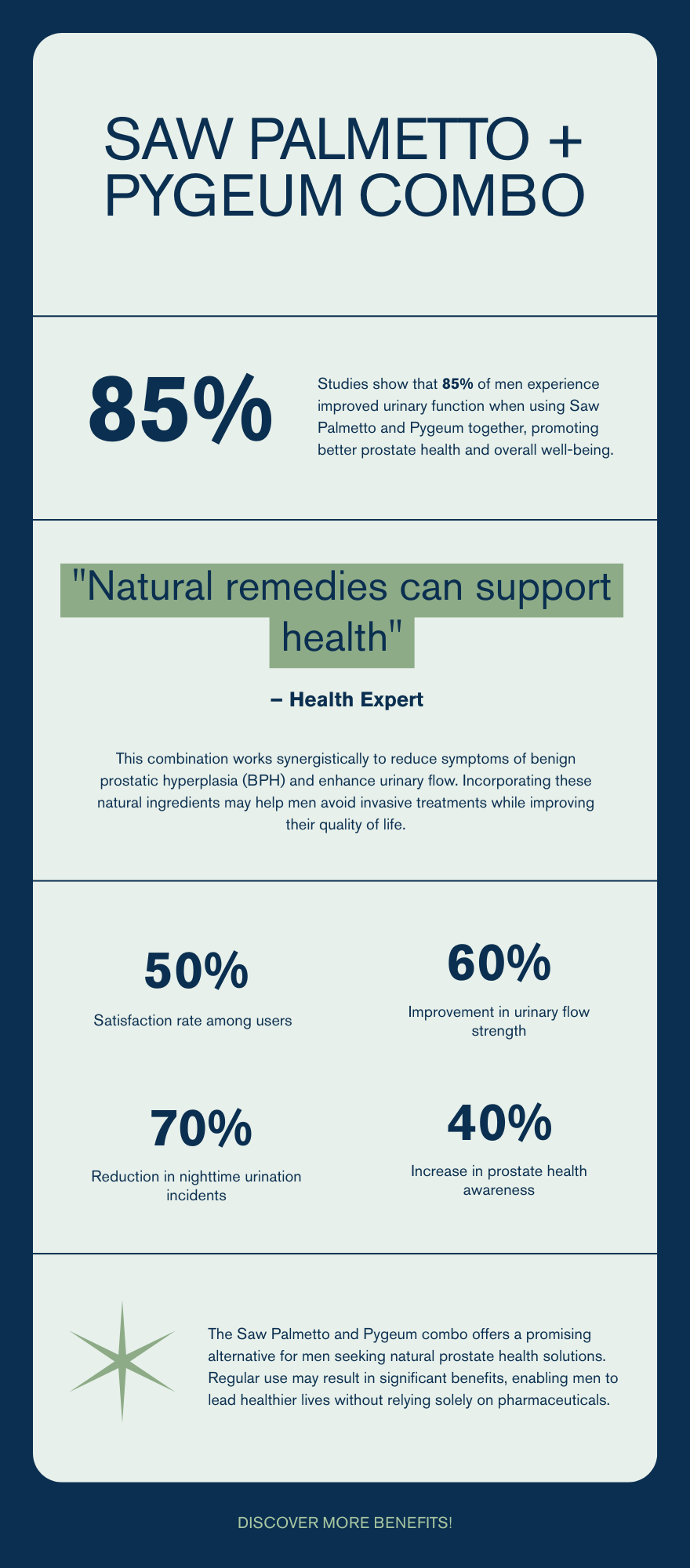
Saw Palmetto + Pygeum: Why This Combo Works Better Together
August 10, 2026 | by Daniel cole