


Beta-Sitosterol for Prostate Health: Benefits, Dosage & What Research Shows
August 4, 2026 | by Daniel cole
Beta-sitosterol is a plant-based compound (a phytosterol) found in small amounts in many fruits, vegetables, nuts, and seeds. It’s one of the most researched natural ingredients for supporting urinary symptoms associated with an enlarged prostate, and it’s frequently included in prostate-support supplement formulas alongside saw palmetto, zinc, and pumpkin seed extract.
Quick Summary: Beta-sitosterol is a plant sterol that several clinical trials have linked to modest improvements in urinary flow and symptom scores in men with BPH (enlarged prostate). It does not appear to shrink the prostate itself, and it is not a treatment or cure for any prostate condition. It’s generally well tolerated, but you should still talk to your doctor before starting it, especially if you have an existing prostate diagnosis.
What Is Beta-Sitosterol?
Beta-sitosterol belongs to a family of plant compounds called phytosterols, which are structurally similar to cholesterol but come from plants rather than animals. It occurs naturally in wheat germ, rice bran, corn oil, soybeans, peanuts, and many other plant foods. Because typical diets only provide small amounts, most beta-sitosterol used in research and supplements is concentrated from plant sources.
Why Is Beta-Sitosterol Linked to Prostate Health?
Beta-sitosterol has been studied for its potential role in easing lower urinary tract symptoms (LUTS) associated with benign prostatic hyperplasia (BPH), such as weak stream, incomplete emptying, and frequent urination. Researchers believe it may help by reducing inflammation and interacting with hormone pathways involved in prostate tissue growth, though the exact mechanism isn’t fully understood.
What Does the Research Show?
A well-known Cochrane systematic review pooling several randomized controlled trials found that beta-sitosterol was associated with improved urinary symptom scores and peak urine flow compared to placebo in men with BPH. However, the review also noted that studies were generally short in duration, used varying formulations, and did not show that beta-sitosterol reduces prostate size. Longer-term data on safety and effectiveness is limited, so beta-sitosterol should be viewed as a possible symptom-support option rather than a proven treatment for BPH itself.
Dosage
Clinical studies have generally used beta-sitosterol in the range of 60–130 mg per day, divided into two or three doses taken with meals. Supplement products vary in concentration and formulation, so always follow the label directions on the specific product you choose, and don’t exceed the recommended serving without medical guidance.
Safety and Side Effects
Beta-sitosterol is generally considered well tolerated by most healthy adults. Reported side effects are typically mild and may include:
- Mild digestive upset, nausea, or indigestion
- Diarrhea or constipation in some users
- Rare reports of decreased libido
People with a rare genetic condition called sitosterolemia should avoid beta-sitosterol supplements, as their bodies absorb plant sterols abnormally. Anyone with an existing prostate condition, anyone taking cholesterol-lowering medication, or anyone who is unsure whether beta-sitosterol is appropriate for them should speak with a doctor before starting it.
Food Sources of Beta-Sitosterol
Beta-sitosterol occurs naturally in wheat germ, rice bran, corn oil, soybeans, peanuts, avocados, and pumpkin seeds. While food sources provide much smaller amounts than concentrated supplements, a plant-rich diet contributes to overall intake alongside any supplement you may consider.
Choosing a Prostate Supplement
If you’re comparing prostate supplements, our Prostate Supplement Buying Guide explains what to look for on the label. Note that ProstaVive’s current formula is built around a broader herbal and mineral blend (including Tongkat Ali, Ashwagandha, Maca Root, Nettle Root, and zinc) rather than beta-sitosterol specifically — see our ProstaVive review for a full ingredient breakdown, or our supplement comparison guide if you’d like to weigh different ingredient-based approaches side by side.
Frequently Asked Questions
Does beta-sitosterol shrink an enlarged prostate?
No. Research suggests beta-sitosterol may improve urinary symptoms and flow rate, but studies have not shown that it reduces the actual size of the prostate gland.
Can I take beta-sitosterol with other prostate supplements like saw palmetto?
Many prostate formulas combine multiple ingredients, but you should check with a doctor or pharmacist before combining supplements, especially if you take other medications.
How long does it take to notice a difference?
Clinical trials typically measured symptom changes after 4 to 6 months of consistent use. Individual results vary, and beta-sitosterol is not a fast-acting or guaranteed solution.
References
Medical Disclaimer: This article is for informational purposes only and is not a substitute for professional medical advice, diagnosis, or treatment. Always consult your physician before starting any new supplement, especially if you have an existing prostate condition or take prescription medication.
\nAnother commonly paired ingredient worth knowing about is stinging nettle root, often combined with this ingredient in multi-ingredient prostate formulas.
RELATED POSTS
View all


Best Natural Supplements for Prostate Health (2026 Guide)
January 7, 2026 | by Daniel cole
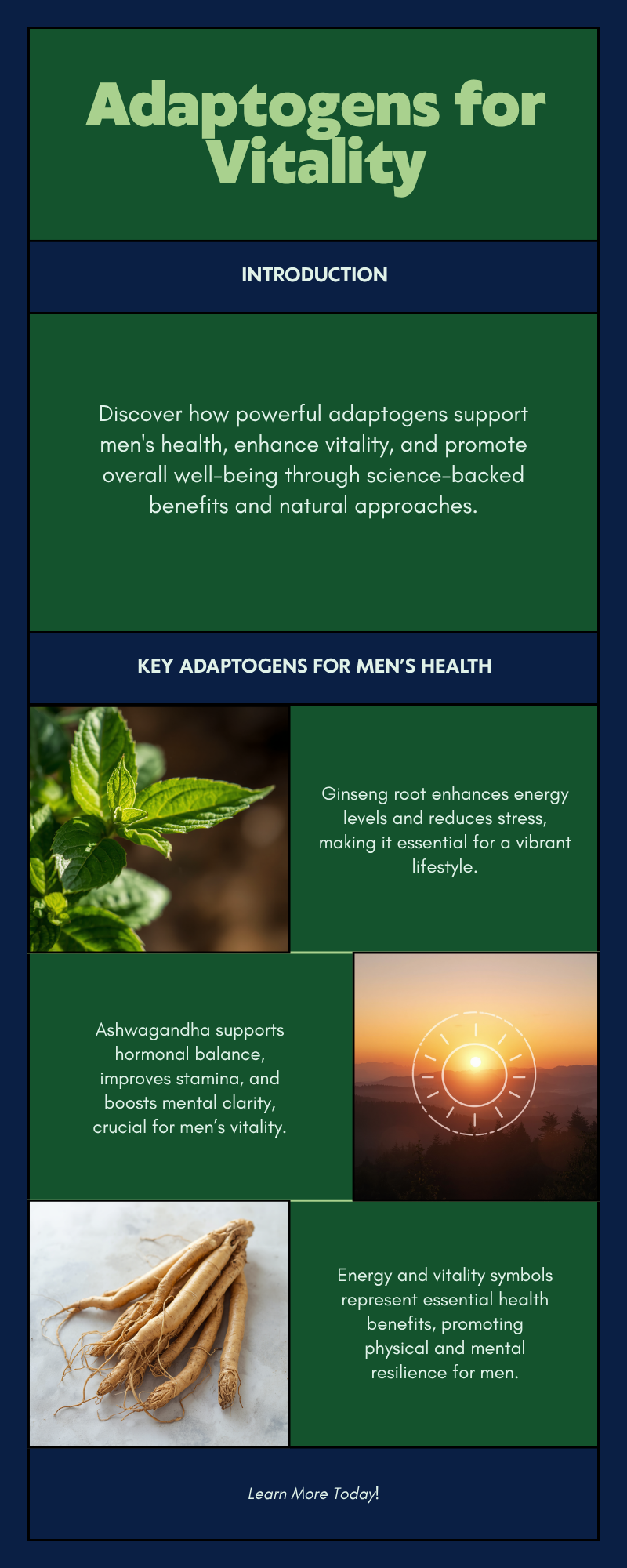
Testosterone & Vitality: Why Adaptogens Matter for Aging Men
August 10, 2026 | by Daniel cole
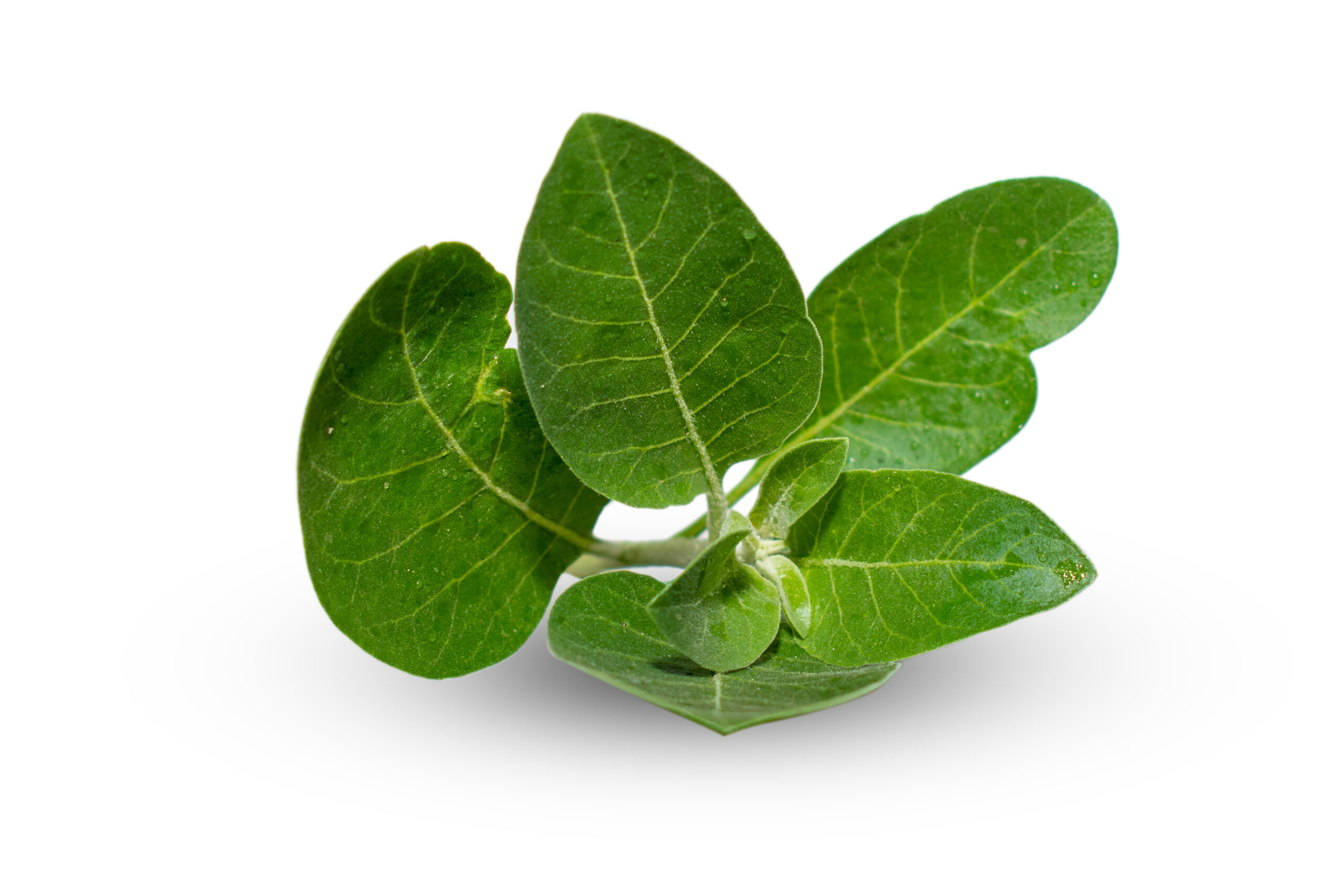
Ashwagandha for Men: Stress, Testosterone & Vitality Explained
August 14, 2026 | by Daniel cole