


Best Sleeping Position for Prostate and Bladder Health (And What to Avoid)
July 26, 2026 | by Daniel cole
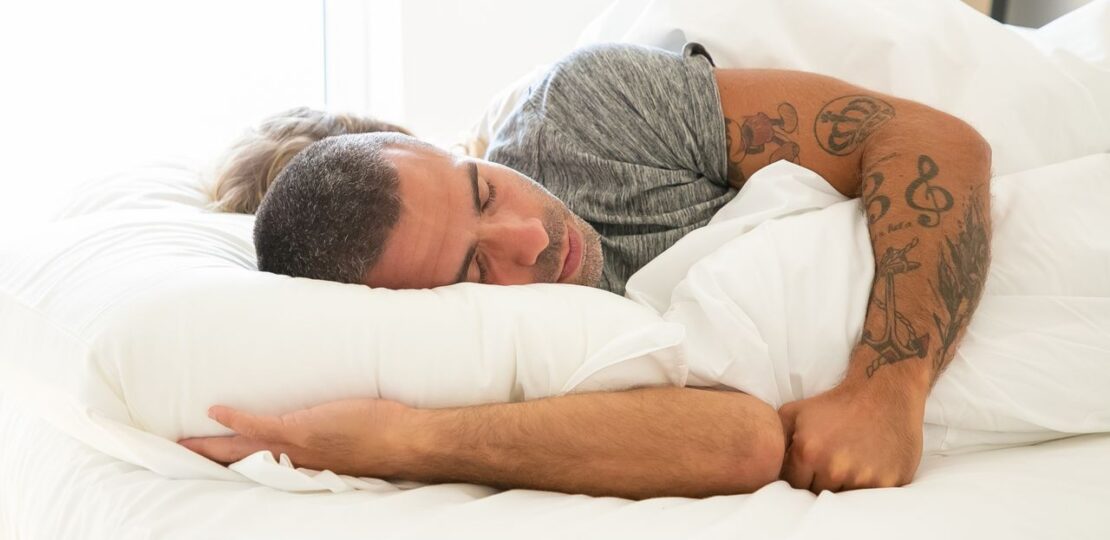
The best sleeping position for prostate and bladder health is one that takes direct pressure off the bladder while keeping the pelvic floor relaxed through the night. Many men over 40 notice their sleep quietly getting worse long before they connect it to prostate or bladder health. Waking up two or three times a night to urinate, shifting positions to find comfort, or feeling pressure low in the abdomen are common complaints that often trace back to how the body rests during sleep. Sleep position alone will not shrink an enlarged prostate or cure an overactive bladder, but the right posture can genuinely reduce nighttime urgency and help you fall back asleep faster. Here is what actually helps, what tends to make things worse, and a few bedtime habits that support long-term prostate and bladder wellness.
How Sleeping Position Affects the Prostate and Bladder
The bladder sits low in the pelvis, close to the prostate gland, and both are influenced by gravity, abdominal pressure, and pelvic floor tone. Lying flat on your back can let extra weight settle directly onto the bladder and prostate, while certain positions redistribute that pressure and reduce the urge to urinate. Blood flow and fluid distribution also shift depending on posture; during the day fluid can pool in the legs, and lying down at night moves that fluid back into circulation, which is one reason nighttime urination becomes more noticeable as men get older. According to general sleep hygiene guidance from the Sleep Foundation, consistent, supportive sleep posture is one of the simplest ways to improve overall sleep quality, which in turn makes it easier to fall back asleep after a bathroom trip. Choosing a position that keeps the pelvic area relaxed rather than compressed can make a measurable difference in how often you wake up.
Best Sleeping Position for Prostate and Bladder Health
1. Sleeping on Your Left Side
Left-side sleeping is widely favored by sleep and urology-focused resources because it reduces pressure on the bladder and supports healthier blood flow throughout the body. This position also tends to ease pressure on the pelvic floor muscles, which can lessen the sudden urge to urinate that often interrupts sleep. Placing a thin pillow between the knees can keep the hips aligned and prevent the upper leg from adding extra pressure to the pelvic region. Many men also find left-side sleeping easier on the digestive system, which indirectly supports more uninterrupted sleep overall.
2. Back Sleeping With Elevated Knees
If side sleeping is not comfortable, lying on your back with a pillow under your knees is a solid alternative. Elevating the knees slightly tilts the pelvis and takes some of the direct pressure off the bladder compared to lying completely flat. This position also helps keep the spine neutral, which can reduce the restlessness that leads to frequent repositioning during the night. A small pillow or rolled towel under the lower back can add extra support for men who feel strain in that area.
3. Fetal Position With a Support Pillow
A gently curled, fetal-style position on your side can relax the abdominal and pelvic muscles more than a fully stretched-out posture. Adding a support pillow under the knees or against the lower back helps maintain this position for longer stretches without waking up to readjust, which in turn means fewer disruptions to deep sleep. Keeping the curl gentle rather than tightly curled avoids putting unnecessary strain on the hips overnight.
Sleeping Positions That May Make Things Worse
Stomach Sleeping
Lying face-down places direct pressure on the bladder and lower abdomen, which can increase the urge to urinate and make it harder to get comfortable for a full night. It can also strain the lower back and neck, adding another reason many sleep specialists recommend avoiding this position for men managing prostate or bladder symptoms.
Flat on Your Back Without Support
Sleeping completely flat, without any elevation under the knees, allows the full weight of the abdomen to rest on the bladder and pelvic floor. For men who already deal with an enlarged prostate or an overactive bladder, this can translate into more frequent trips to the bathroom overnight.
Evening Habits That Complement a Good Sleep Position
Position is only part of the picture. A few simple bedtime habits can work alongside the best sleeping position for prostate and bladder health to reduce nighttime urination:
- Limit fluids for about two hours before bed, while still staying well hydrated earlier in the day.
- Cut back on evening caffeine and alcohol, since both act as bladder irritants and mild diuretics; our guide on drinks that may support prostate health covers better options for evening hydration.
- Empty your bladder fully right before getting into bed rather than rushing the process.
- Strengthen the pelvic floor during the day; the routines in our guide to exercises for prostate health are a practical starting point.
- Keep the bedroom cool and dark, since a lighter sleep from an uncomfortable room makes any bladder signal more likely to wake you fully.
Choosing a Mattress and Pillow Setup That Helps
A mattress that is too soft can let the hips sink and twist the pelvis out of alignment, adding pressure right where you do not want it. A medium-firm mattress generally offers better support for side and back sleeping positions. Pairing it with a knee pillow for back sleepers, or a body pillow for side sleepers, makes it easier to hold a supportive position throughout the night instead of drifting into a flat or stomach-down posture after falling asleep. If you regularly wake up on your stomach despite starting the night on your side, a body pillow that physically blocks that shift can be worth trying for a few weeks.
Getting Back to Sleep After a Nighttime Bathroom Trip
Even with the best position and habits, occasional nighttime trips to the bathroom are normal, especially for men over 40. What matters just as much is how quickly you fall back asleep afterward. Keep the bathroom path dimly lit rather than switching on bright lights, which can delay melatonin production and make it harder to drift off again. Avoid checking your phone during these trips, since screen light has the same effect. Returning to the same supportive position you started in, rather than settling wherever feels easiest in the moment, helps keep the rest of the night as restful as the beginning.
When Nighttime Bathroom Trips Signal Something More
Adjusting your sleep position and evening habits can meaningfully reduce mild nighttime urination, but frequent waking to urinate is also a classic sign of nocturia or a weakening urine stream, both of which deserve closer attention rather than a permanent workaround. The Urology Care Foundation’s overview of nocturia is a useful reference if you want to understand the medical causes in more depth. If you are waking up more than twice a night regularly, it is also worth reading our detailed breakdown of why men over 50 wake up at night to urinate, and our practical guide on how to improve urine flow naturally. Persistent symptoms, pain, or noticeable changes in urine flow are reasons to speak with a doctor or urologist rather than relying on sleep adjustments alone.
Frequently Asked Questions
Does the best sleeping position for prostate and bladder health really change how the prostate works?
Sleep position will not change the size of the prostate gland, but it does influence pressure on the bladder and pelvic floor, which can affect how often you feel the urge to urinate overnight.
What is the best position to sleep in with an enlarged prostate?
Left-side sleeping, or back sleeping with the knees elevated, are generally the most comfortable options for men managing an enlarged prostate, since both reduce direct pressure on the bladder.
Why do I need to urinate more at night as I get older?
Aging can reduce bladder capacity, change fluid balance overnight, and coincide with prostate enlargement, all of which make nighttime urination more common. A doctor can help identify the specific cause in your case.
Can changing my pillow or mattress really reduce nighttime urination?
On its own, a new pillow or mattress will not stop nighttime urination, but better support helps you maintain a favorable position for longer, which can meaningfully reduce how often pressure builds up on the bladder.
Final Thoughts
Small changes to how you sleep will not replace medical care, but choosing the best sleeping position for prostate and bladder health is a low-risk, practical way to support comfort every night. Start with left-side or supported back sleeping, trim evening fluids, and pair those habits with the pelvic floor and dietary steps covered elsewhere on this site. If disrupted sleep and frequent urination continue despite these changes, treat that as a signal to check in with a healthcare provider rather than something to sleep through. This article is intended for general educational purposes and is not a substitute for professional medical advice.
RELATED POSTS
View all


Why Men Over 50 Wake Up at Night to Urinate (Nocturia Explained)
March 7, 2026 | by Daniel cole

10 Worst Foods for Prostate Health Men Should Avoid
March 6, 2026 | by Daniel cole

Best Exercises for Prostate Health: What Helps and What to Avoid
July 22, 2026 | by Daniel cole