


Best Exercises for Prostate Health: What Helps and What to Avoid
July 22, 2026 | by Daniel cole
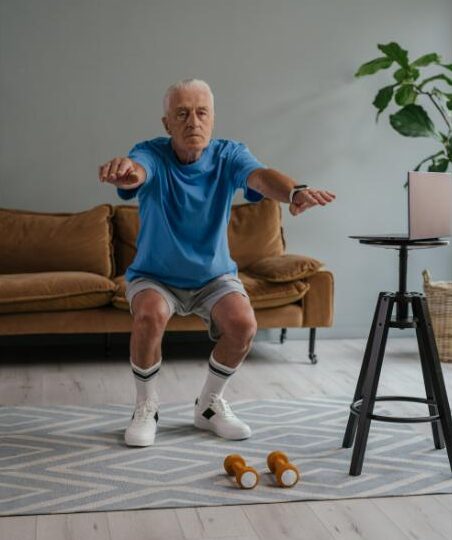
The right exercises for prostate health can make a real difference, not just diet and supplements. Regular physical activity is linked to better bladder control, healthier hormone levels, and a lower risk of prostate problems as men age. In this guide, we’ll look at which exercises genuinely support prostate health, which activities deserve extra caution, and how to build a simple weekly routine you can actually stick to.
Why Physical Activity Matters for Prostate Health
The prostate sits close to the bladder and pelvic floor, so anything that affects blood flow, muscle strength, or body weight in that area can influence how it functions. Men who stay physically active tend to report fewer urinary symptoms and a lower risk of an enlarged prostate compared with men who are mostly sedentary. Exercise also helps manage weight and blood sugar, two factors closely tied to prostate enlargement and inflammation. According to Harvard Health, staying active is one of the most consistent lifestyle factors linked to long-term prostate wellness.
How Exercise Supports a Healthy Prostate
The right exercises for prostate health work in several ways at once:
- Improves blood circulation to the pelvic region
- Helps maintain a healthy body weight, easing pressure on the bladder and prostate
- Strengthens pelvic floor muscles that support bladder control
- Supports healthy hormone and blood sugar balance
- May help lower inflammation linked to prostate discomfort
Best Exercises for Prostate Health
Here is a closer look at some of the most effective exercises for prostate health that you can start this week.
1. Pelvic Floor (Kegel) Exercises
Kegel exercises target the pelvic floor muscles that support the bladder and bowel, and they’re one of the most researched exercises for men dealing with urinary leakage or a weak stream. To do one, tighten the muscles you’d use to stop urine mid-stream, hold for 5 seconds, then release for 5 seconds. Repeat 10 times, three times a day. It usually takes a few weeks of consistent practice before you notice a difference, so patience matters more than intensity here. If you’re also dealing with a weak or interrupted stream, pairing Kegels with the tips in our guide on how to improve urine flow naturally can help.
2. Aerobic Exercise (Walking, Swimming, Cycling)
Simple, consistent aerobic activity — brisk walking, swimming, or light cycling — is one of the most well-supported habits for overall prostate and heart health. Aim for around 30 minutes most days of the week. If you cycle regularly, use a padded, wide seat and take breaks on long rides, since prolonged pressure on the perineum has been linked to discomfort in some men.
3. Strength Training
Bodyweight or light-resistance strength training — squats, bridges, and lunges — helps maintain muscle mass, supports healthy testosterone levels, and keeps the muscles around the hips and pelvis strong. Start with two to three sessions a week, focus on form over heavy weight, and avoid holding your breath or straining hard during lifts.
4. Yoga and Gentle Stretching
Yoga poses that open the hips and lower back — such as a supported bridge pose, seated forward fold, or gentle butterfly stretch — can ease tension around the pelvic floor and lower back. Yoga also supports stress reduction, and chronic stress has been associated with worse urinary symptoms in some men.
Exercises and Activities to Approach with Caution
Movement is generally good for the prostate, but a few activities are worth approaching carefully, especially if you already have symptoms of an enlarged prostate or prostatitis:
- Heavy lifting or straining with poor form, which increases abdominal pressure on the bladder
- Long-distance cycling without a padded, prostate-friendly seat
- High-impact running or jumping if you already experience urinary leakage
- Any exercise that triggers pelvic pain — treat this as a signal to stop and check with a doctor, not push through
Exercise Tips by Age
Men Under 40
This is the ideal time to build lifelong habits: regular cardio, strength training, and a baseline familiarity with Kegel exercises can help prevent problems well before symptoms typically appear.
Men 40 to 60
Pelvic floor work becomes more valuable in this decade, alongside consistent aerobic activity. This is also a good time to start tracking any changes in urinary habits and mention them at annual check-ups.
Men Over 60
Low-impact, joint-friendly options such as walking, swimming, and water aerobics are usually the safest way to stay active. Check with a doctor before starting a new intense program, particularly if you have an existing heart or prostate condition.
A Simple Weekly Routine to Get Started
- Monday: 30-minute brisk walk plus 10 Kegel repetitions, 3 sets
- Tuesday: Bodyweight strength training (squats, bridges, lunges)
- Wednesday: Swimming or light cycling plus Kegels
- Thursday: Rest or gentle yoga and stretching
- Friday: Strength training
- Saturday: Walk or hike with family
- Sunday: Rest and recovery
When to Talk to a Doctor
Exercise supports prostate health, but it isn’t a substitute for medical care. See a doctor if you notice blood in your urine, sudden difficulty urinating, persistent pelvic pain, or urinary symptoms that keep getting worse despite lifestyle changes. A urologist can check for an underlying condition such as BPH or prostatitis that may need specific treatment alongside your exercise routine. It’s also worth reviewing your diet alongside your workouts, our guides on the best foods for prostate health and the worst foods for prostate health men should avoid cover the other half of the equation.
Frequently Asked Questions
Can exercise shrink an enlarged prostate?
Exercise alone is unlikely to shrink an enlarged prostate, but regular physical activity is consistently linked to milder urinary symptoms and a lower chance of the condition getting worse over time. This is why the best exercises for prostate health focus on overall symptom relief rather than reducing prostate size.
Are Kegel exercises really effective for men?
Yes. Pelvic floor exercises are commonly recommended for men recovering from prostate procedures and for those managing everyday urinary leakage, since they directly strengthen the muscles responsible for bladder control.
How soon will I notice results?
Most men need at least 4 to 6 weeks of consistent practice before noticing a meaningful change in bladder control or urinary symptoms.
Final Thoughts
Consistent exercises for prostate health, paired with smart nutrition, offer the best long-term results. Combining regular movement with a supportive diet gives your prostate the best chance of staying healthy long-term. For men who are also exploring supplements, our guide to natural supplements for prostate health and this overview of prostate health after 40 are good next reads.
This article is for general educational purposes only and is not a substitute for professional medical advice, diagnosis, or treatment. Always talk to a qualified healthcare provider before starting a new exercise routine, especially if you already have a prostate-related condition.
RELATED POSTS
View all


Prostate Health for Men: Symptoms, Diet, Causes & Best Supplements
January 24, 2026 | by Daniel cole

Prostate Health: Symptoms, Causes & Natural Ways to Improve
January 2, 2026 | by Daniel cole
Kegel Exercises for Men: The Complete Step-by-Step Guide
August 13, 2026 | by Daniel cole