


Does Saw Palmetto Work for Enlarged Prostate? Benefits, Dosage & Side Effects (2026)
July 29, 2026 | by Daniel cole
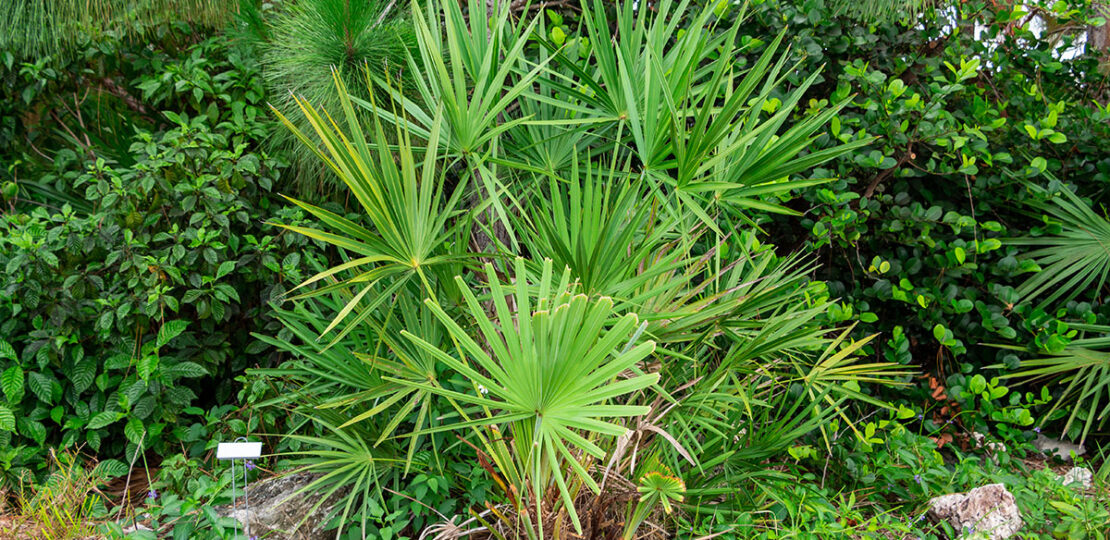
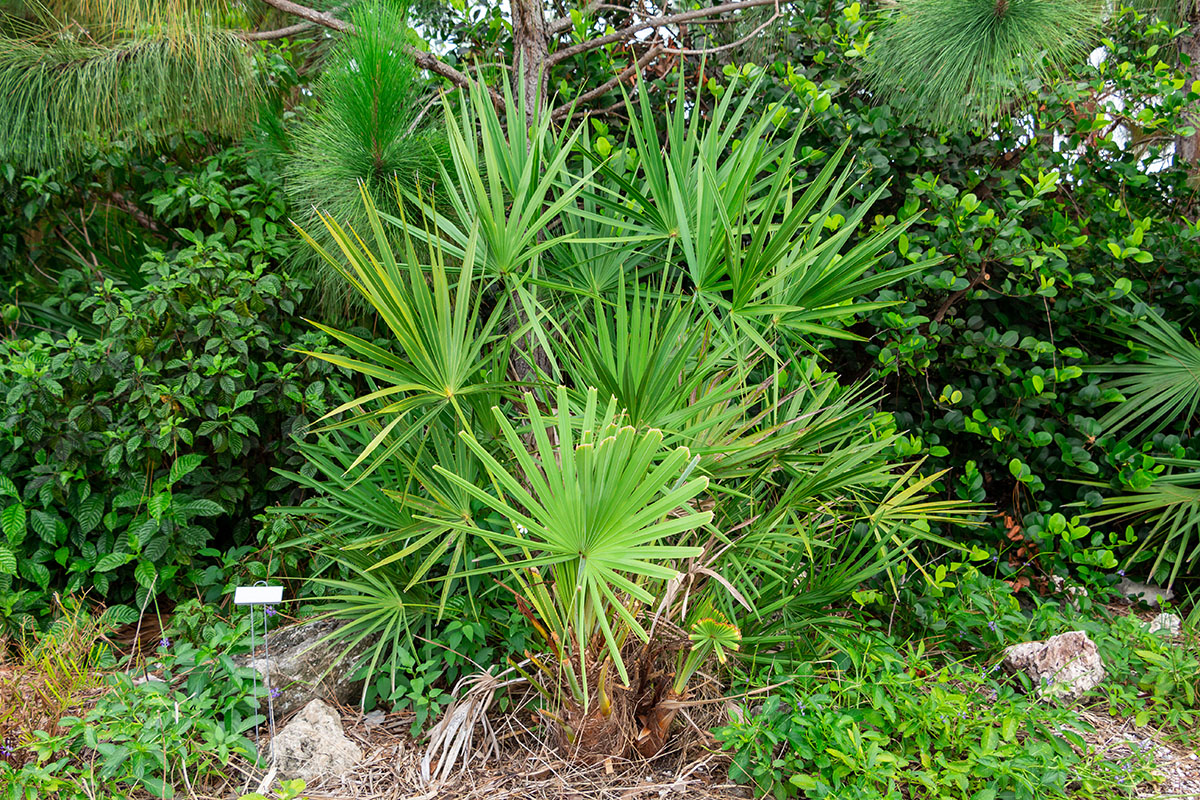
Short answer: Saw palmetto may modestly ease mild-to-moderate BPH symptoms — weak stream, nighttime urination, incomplete emptying — for some men, largely by blocking the hormone conversion that drives prostate growth. The clinical evidence is mixed rather than conclusive, and effects are generally smaller than prescription medication. It is not a cure and does not shrink an already-enlarged prostate in most studies.
Saw palmetto (Serenoa repens) is the most studied natural ingredient for prostate health, extracted from the berries of a small palm native to the southeastern United States. It shows up in nearly every prostate supplement on the market, including our own supplements guide, and it’s usually the first thing men over 40 ask about when they start looking into natural options. This guide breaks down what it actually does, what the research says, realistic dosage, and who should think twice before taking it.
How Does Saw Palmetto Work?
Saw palmetto is believed to work by partially blocking 5-alpha reductase, the enzyme that converts testosterone into DHT (dihydrotestosterone) — the hormone most directly linked to prostate growth as men age. It may also have mild anti-inflammatory effects on prostate tissue. This mechanism is similar in concept to prescription 5-alpha reductase inhibitors, though far less potent.
What Does the Research Actually Show?
Results are genuinely mixed. Some trials show meaningful improvement in urinary symptoms and flow rate compared to placebo. Others — including a large, well-designed 2011 NIH-funded trial — found no significant benefit even at triple the standard dose. The most likely explanation for the mixed results is inconsistency in extract quality and concentration between studies, since not all saw palmetto extracts are processed the same way.
The honest takeaway: saw palmetto is reasonably well-tolerated and plausible in mechanism, but it should be treated as a possible mild support, not a proven treatment. Men with moderate-to-severe BPH symptoms should not rely on it in place of medical treatment.
What Dosage Is Typically Used?
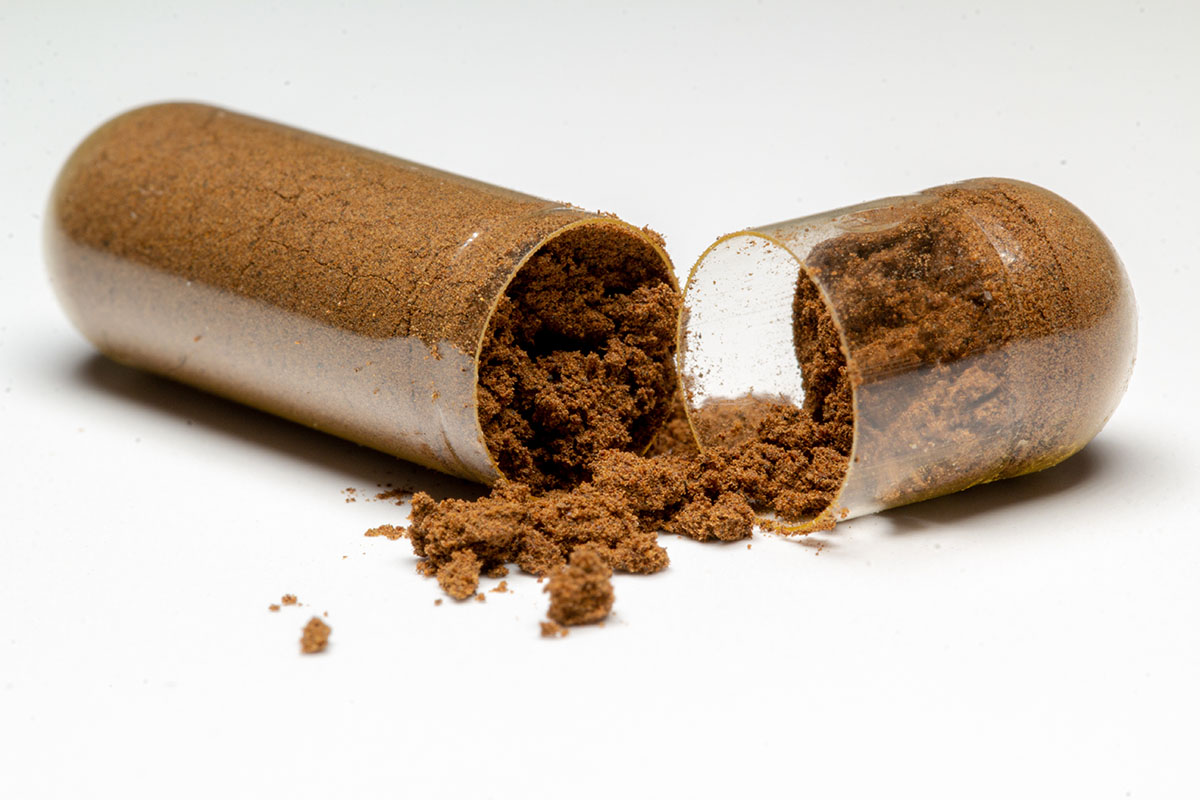
Most clinical trials use 160mg twice daily, or 320mg once daily, of a standardized extract containing 85–95% fatty acids and sterols — this concentration matters more than the raw milligram count. Effects, when present, typically take 4-6 weeks to become noticeable, and some studies suggest continued improvement up to 12 months. Look for “standardized extract” on the label rather than raw powdered berry, which tends to have inconsistent potency.
Prefer a broader, all-in-one formula? ProstaVive is a multi-ingredient herbal and mineral powder (it does not include saw palmetto), backed by a 180-day money-back guarantee. See ProstaVive’s full ingredient breakdown →
Are There Side Effects or Risks?
Saw palmetto is considered low-risk for most men, with mild stomach upset or headache being the most commonly reported side effects. However, a few precautions matter:
- It has mild blood-thinning properties, so caution is advised if you take anticoagulant medication or have surgery scheduled
- It may slightly lower PSA test readings in some men, which could complicate prostate cancer screening — tell your doctor you’re taking it before any PSA test
- It should not replace a doctor’s evaluation if symptoms are moderate to severe, sudden, or accompanied by blood in the urine or pain
Who Should Consider It — and Who Shouldn’t

Best fit: men with mild, early BPH symptoms looking for a low-risk addition alongside lifestyle changes like the ones covered in our exercises and foods guides. Not a good fit: men with moderate-to-severe symptoms, upcoming PSA testing, or anyone on blood thinners without a doctor’s sign-off. For a fuller picture of BPH and when medication or procedures become necessary, see our complete BPH guide.
The Bottom Line
Saw palmetto isn’t a miracle fix, and anyone promising dramatic overnight results with it isn’t being straight with you. But as a low-risk, well-tolerated option for mild symptoms, backed by a plausible (if not fully proven) mechanism, it remains one of the more reasonable natural options available in 2026 — as long as expectations stay realistic and it’s used alongside, not instead of, proper medical guidance.
Ready to try a properly-formulated option? Check ProstaVive’s 180-day guarantee →
This article is for informational purposes only and is not a substitute for professional medical advice, diagnosis, or treatment. Always consult a qualified healthcare provider before starting any new supplement.
RELATED POSTS
View all


Best Natural Supplements for Prostate Health (2026 Guide)
January 7, 2026 | by Daniel cole
What Age Should Men Get Prostate Screening?
February 6, 2026 | by Daniel cole
How Long Do Prostate Supplements Take to Work? A Realistic Timeline
August 17, 2026 | by Daniel cole