


Lycopene for Prostate Health: Benefits, Food Sources & What Research Shows
August 3, 2026 | by Rahul Khan
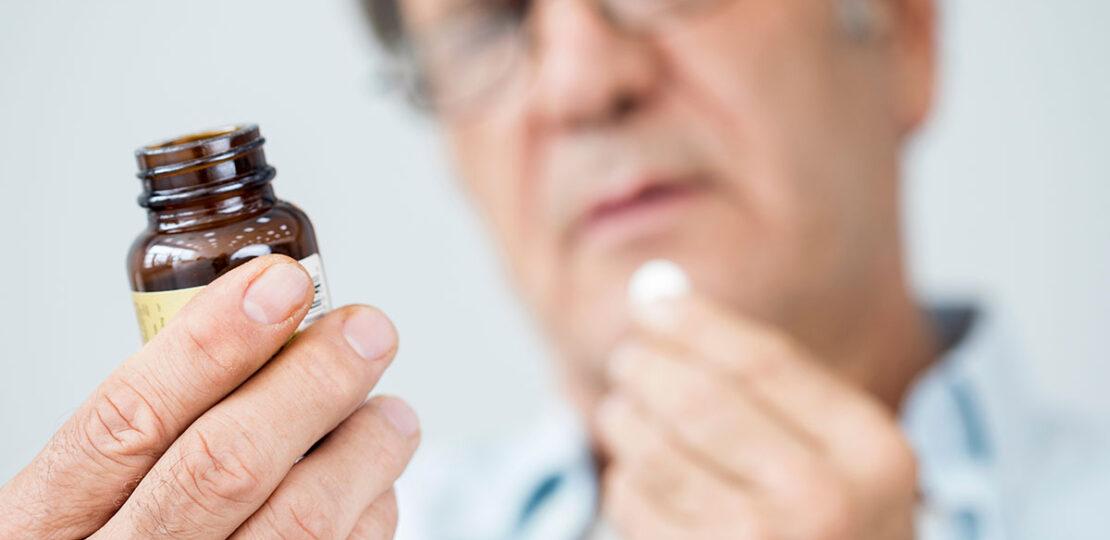
Lycopene is a red-colored antioxidant compound found in tomatoes, watermelon, and other red or pink fruits and vegetables. It’s one of the more researched dietary antioxidants when it comes to overall prostate health, and it’s sometimes included in prostate supplement formulas alongside ingredients like saw palmetto and zinc.
Quick Summary: Lycopene is a dietary antioxidant found in tomatoes and other red produce. Observational studies link higher lycopene intake with better prostate health outcomes, but clinical trial evidence for supplementation is still limited. Getting lycopene through food is well-supported by nutrition science; supplement-specific benefits are less certain.
What Is Lycopene?
Lycopene belongs to a class of pigments called carotenoids, which also includes beta-carotene and lutein. It’s responsible for the red color in tomatoes, watermelon, pink grapefruit, and guava. The body cannot produce lycopene on its own, so it must come from diet or supplements.
Why Is It Linked to Prostate Health?
As an antioxidant, lycopene is thought to help neutralize free radicals and reduce oxidative stress in tissues, including the prostate. Several large observational (population) studies have found associations between higher dietary lycopene or tomato intake and lower rates of certain prostate concerns, which sparked research interest in lycopene supplementation specifically.
What the Research Says
Observational studies (which track what people already eat and their health outcomes over time) generally show a positive association between dietary lycopene intake and prostate health markers. However, association is not the same as proof of a direct effect, and results from smaller intervention trials using lycopene supplements have been mixed. Cooking tomatoes (as in tomato sauce or paste) actually increases lycopene’s bioavailability compared to eating raw tomatoes, which is a notable detail from the nutrition research.
Typical Dosage
Supplement studies have generally used doses in the 10–30 mg per day range. There’s no official RDA for lycopene since it’s not classified as an essential nutrient, so follow product label guidance and consult a doctor about appropriate use for you.
Safety & Side Effects
Lycopene from food or standard supplement doses is considered safe for most people. At very high supplemental intakes, some people report:
- Mild digestive upset
- Lycopenodermia (a harmless orange-ish skin discoloration) at extremely high, sustained intakes
There’s no strong evidence of serious safety concerns at typical supplement doses, but check with a doctor if you’re on blood pressure medication, since some research suggests lycopene may have mild blood pressure-lowering effects.
Food Sources of Lycopene
The richest sources include cooked tomato products (tomato paste, sauce, and juice), watermelon, pink grapefruit, and guava. Because cooking and processing increase bioavailability, tomato sauce and paste are actually more concentrated lycopene sources than fresh tomatoes.
Choosing a Lycopene-Containing Supplement
If you’d rather get lycopene through food, see our Best Foods for Prostate Health guide. For supplement options, our Buying Guide explains what to look for on a label.
Frequently Asked Questions
Is it better to get lycopene from food or supplements?
Most nutrition experts recommend prioritizing food sources first, since whole foods provide lycopene alongside other beneficial nutrients and fiber. Supplements may be considered if dietary intake is low, ideally after discussing with a doctor.
Does cooking destroy lycopene?
No — cooking tomatoes actually increases the amount of lycopene your body can absorb, which is why tomato sauce and paste are considered excellent dietary sources.
References
Medical Disclaimer: This article is for informational purposes only and is not a substitute for professional medical advice, diagnosis, or treatment. Always consult your physician before starting any new supplement.
RELATED POSTS
View all


How Long Do Prostate Supplements Take to Work? A Realistic Timeline
August 17, 2026 | by Daniel cole
Tongkat Ali for Men’s Vitality & Prostate Health: Benefits, Dosage & What Research Shows
August 17, 2026 | by Daniel cole
Saw Palmetto + Pygeum: Why This Combo Works Better Together
August 10, 2026 | by Daniel cole